> For the complete documentation index, see [llms.txt](https://docs.buildnatively.com/llms.txt). Markdown versions of documentation pages are available by appending `.md` to page URLs; this page is available as [Markdown](https://docs.buildnatively.com/natively-platform/appearance/style.md).
# Style
Some bellows parameters can be updated with SDK later (check [Control Style & Colors](/guides/integration/control-style-and-colors.md) section)
[#app-background-color](#app-background-color "mention")
[#loader-color](#loader-color "mention")
[Style](/natively-platform/appearance/style.md#swipe-navigation)
[#pull-to-refresh](#pull-to-refresh "mention")
[#status-bar-style](#status-bar-style "mention")
[#safe-area](#safe-area "mention")
##
## Colors
### App Background Color
The top background (It displays only on iOS devices with notch)
If your page background is transparent, it will be the page's background.

### Loader Color
The color of a loader on the top (This loader will be displayed only while the page is loading)

## Device
### Swipe Navigation
Users can navigate between pages with a swipe gesture

### Pull To Refresh
Drag to the bottom to refresh the page

### Status Bar Style
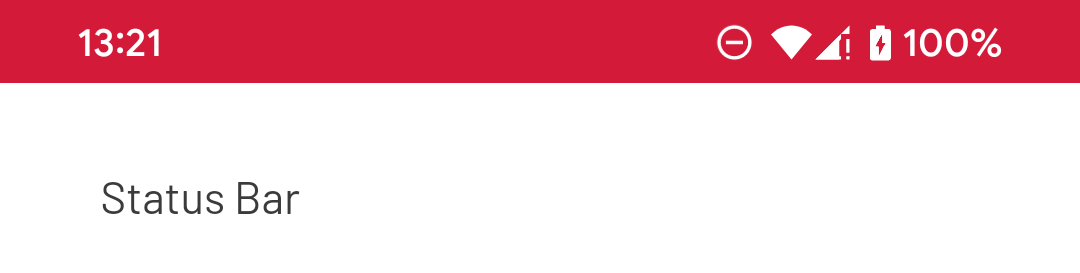
In iOS: Status bar color, can be "Dark", "Light", or None(Hidden)

In Android: "Dark" or "Light"
DARK
LIGHT
### Safe Area
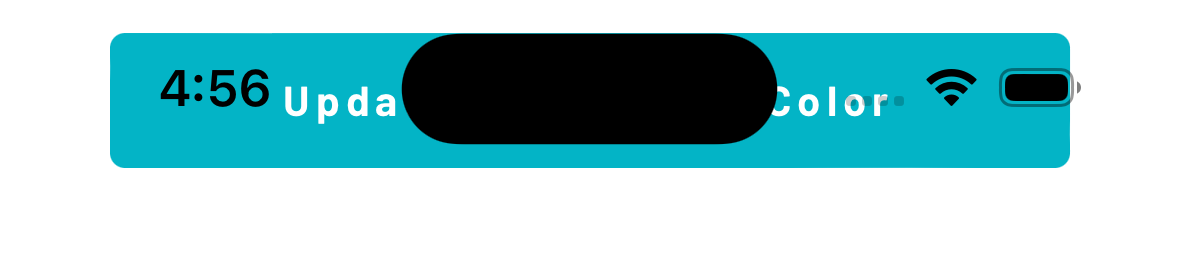
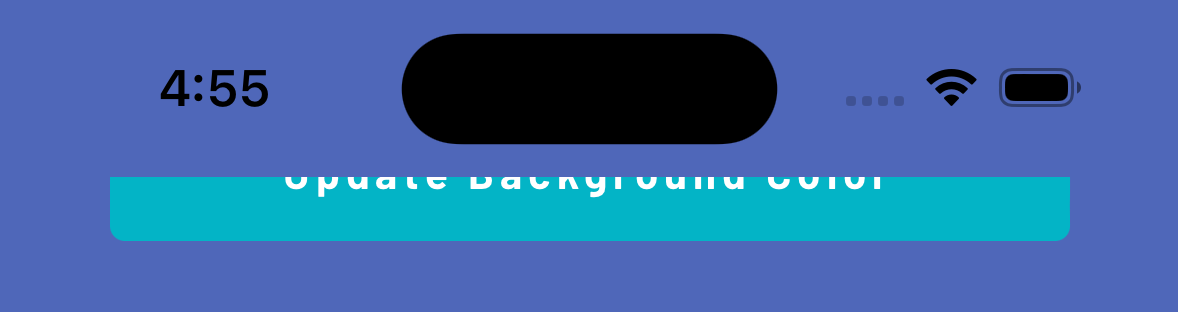
Safe Area - it's a space on the top of the app, that can be Enabled/Disabled.
{% hint style="info" %}
If it's Enabled, the background can be controlled by [App Background Color](#app-background-color)
{% endhint %}
Disabled
Enabled
### Resize Viewport
Enabling this option adjusts the viewport, allowing users to scroll and access focused input fields that are obscured by the keyboard.
### Bottom Overlay
Enables Android navigation bar.
### Background Audio
Enable this feature if your app requires background audio playback.
{% hint style="warning" %}
If you enable this feature but your app doesn't require it for any functionality, your app may be rejected by Apple for: "The app declares support for audio in the UIBackgroundModes key in your Info.plist but we are unable to locate any features that require persistent audio". In such a case, you should disable the feature, save your changes, rebuild your app, and resubmit it for review.
{% endhint %}
### Wake Lock
Prevent your app from automatically locking the screen.
{% hint style="info" %}
If it's Enabled, the feature can be controlled by [Wake Lock](https://docs.buildnatively.com/guides/integration/control-style-and-colors)
{% endhint %}